NAD
100% delivery
- Satisfaction Guaranteed
- No Hassle Refunds
- Secure Payments
Description
NAD+


High-purity NAD+ (Nicotinamide Adenine Dinucleotide) supplied as lyophilized powder for research and laboratory applications. NAD+ is an essential cellular coenzyme involved in redox reactions, energy metabolism, and NAD+-dependent enzymatic processes.
Overview
Nicotinamide adenine dinucleotide (NAD+) is a naturally occurring pyridine nucleotide and an essential coenzyme found throughout biological systems. It plays a central role in cellular redox reactions, where NAD+ can accept electrons and become NADH.
Beyond its classical role in energy metabolism, NAD+ also serves as a substrate for several enzyme families, including sirtuins, poly(ADP-ribose) polymerases (PARPs), and CD38-related enzymes. Because of these diverse biological functions, NAD+ metabolism has become an important area of biochemical, cellular, and molecular biology research.
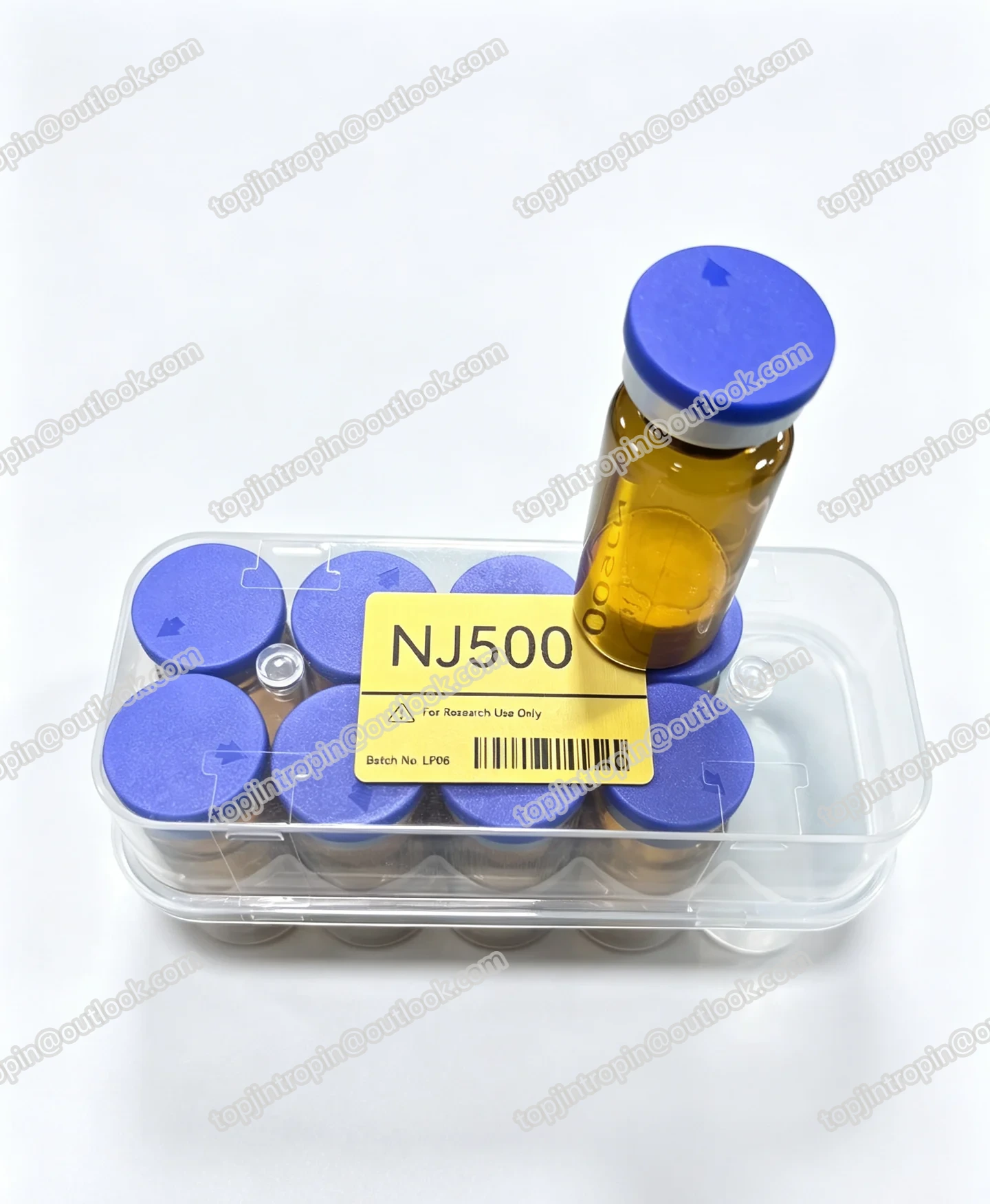
Peptides Duo offers NAD+ 500mg in lyophilized powder form, designed for professional research and laboratory applications.
What is NAD+?
NAD+, or nicotinamide adenine dinucleotide, is a dinucleotide composed of two nucleotide units joined through their phosphate groups. It exists primarily in oxidized NAD+ and reduced NADH forms, which together participate in reversible electron-transfer reactions. NAD+ is involved in fundamental metabolic pathways including glycolysis, fatty-acid oxidation, and the tricarboxylic acid (TCA) cycle. The NAD+/NADH redox couple allows cells to transfer and temporarily store reducing equivalents during metabolic reactions.
NAD+ and Cellular Enzymes
NAD+ has functions beyond electron transfer. It is consumed as a substrate by several enzyme families, including sirtuins and PARPs. These enzymes are involved in processes related to protein modification, DNA damage responses, chromatin regulation, and cellular signaling. This makes NAD+ an important research molecule for studies involving cellular metabolism, redox biology, DNA repair, aging biology, and NAD+ homeostasis.
NAD+ Biosynthesis and NAD+ Precursors
Cells maintain NAD+ levels through several biosynthetic pathways. Known NAD+ precursors and intermediates include tryptophan, nicotinamide, nicotinic acid, nicotinamide riboside (NR), and nicotinamide mononucleotide (NMN). NR and NMN are therefore commonly discussed as NAD+ precursors, whereas NAD+ itself is the downstream dinucleotide coenzyme.
Research Applications
NAD+ is widely studied in areas including: Cellular energy metabolism Redox and oxidative biology Mitochondrial research NAD+/NADH metabolism Sirtuin-related research PARP and DNA repair research Cellular aging and senescence research Metabolic pathway studies These applications reflect established areas of scientific research and should not be interpreted as claims of therapeutic efficacy.
Key Highlights
- NAD+ is supplied as a high-purity research compound suitable for professional laboratory and biochemical applications.
- NAD+ is a chemically well-characterized coenzyme with CAS No. 53-84-9 and an anhydrous molecular weight of approximately 663.43 g/mol.
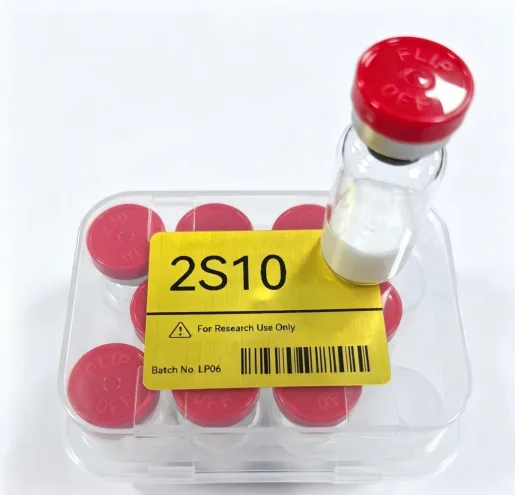
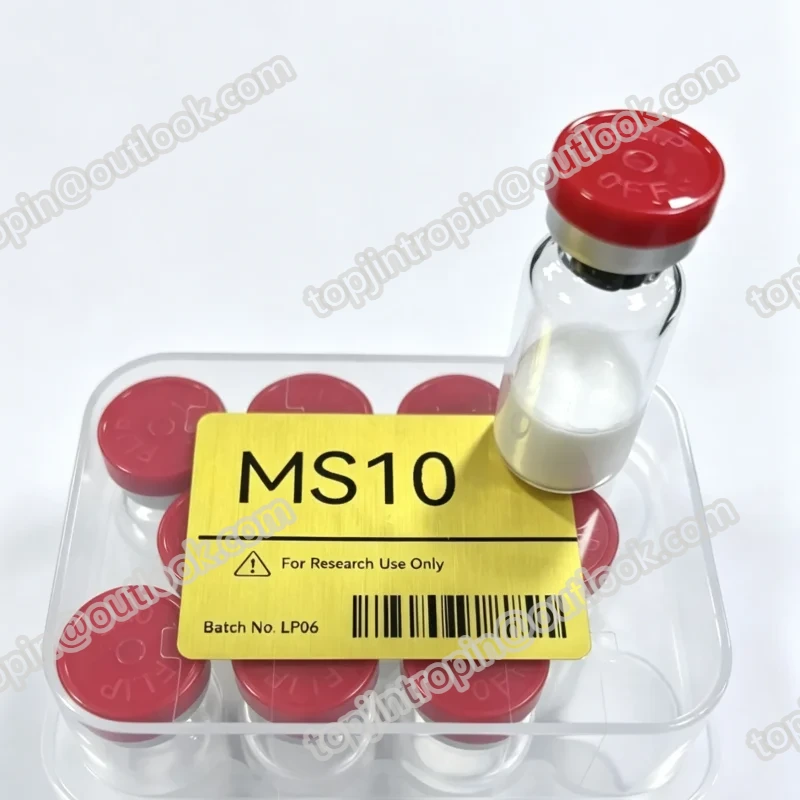
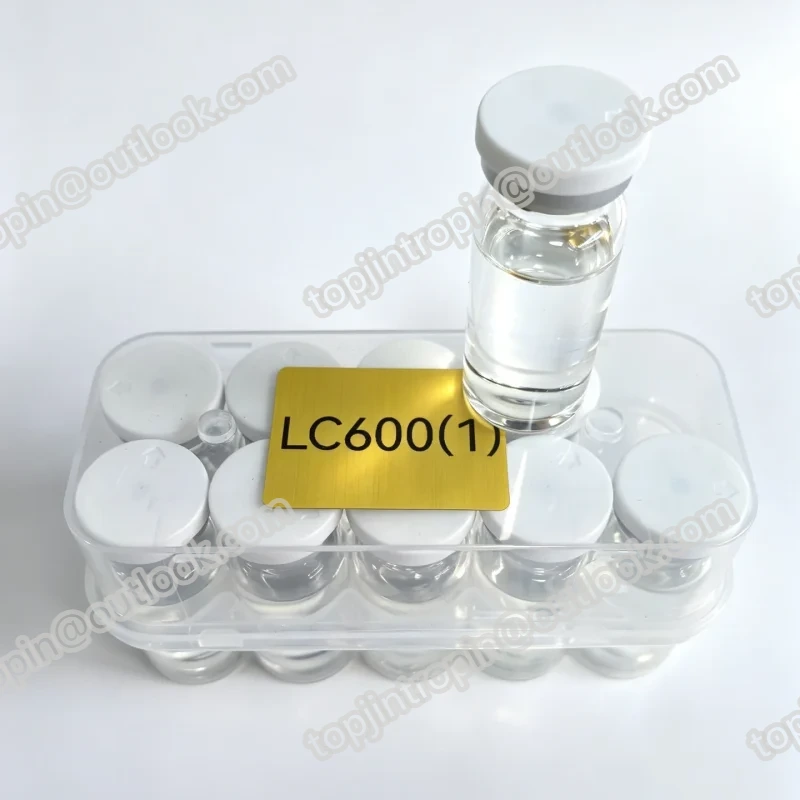
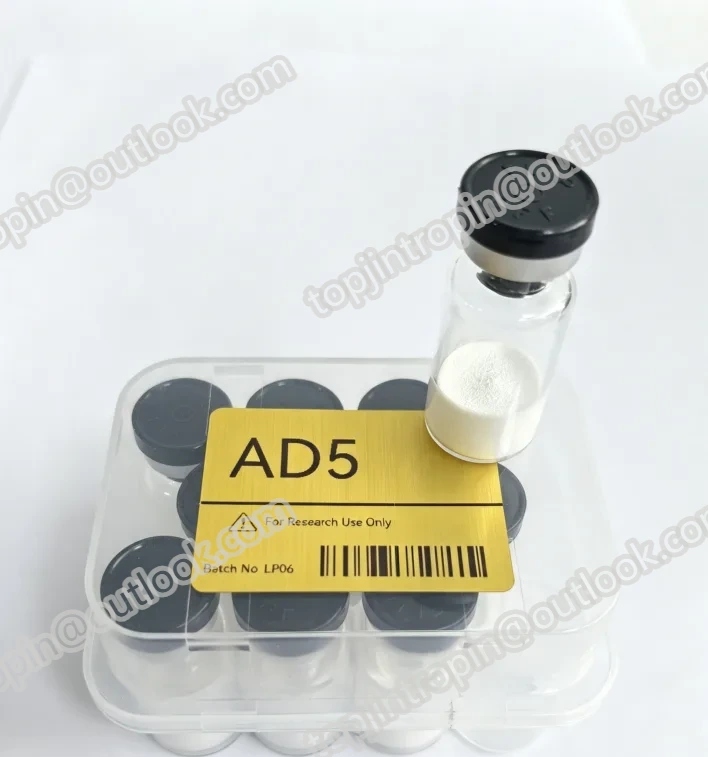
- Available packaging: 100mg*10vials, 500mg*10vials, 1000mg*10vials
- Lyophilized powder; custom packaging and labeling available
- For laboratory research use only — not for human or veterinary use
- NAD+ is relevant to research involving cellular metabolism, redox reactions, NAD+/NADH homeostasis, sirtuins, PARPs, mitochondrial biology, and related biochemical pathways.
Safety & Side Effects
High-purity NAD+ (Nicotinamide Adenine Dinucleotide) supplied as lyophilized powder for research and laboratory applications. NAD+ is an essential cellular coenzyme involved in redox reactions, energy metabolism, and NAD+-dependent enzymatic processes. When used in research, NAD should be handled in a qualified laboratory setting, and its safety profile should be interpreted strictly within the experimental context in which it was studied.
Published nad side effects data are limited to experimental models and are specific to the dose, route, and study design employed. Investigators should account for cellular senescence and longevity pathways readouts and any off-target effects relevant to the compound’s mechanism when designing a study.
For authoritative safety and toxicology references, consult peer-reviewed databases (PubMed, PubChem) and review the batch Certificate of Analysis before designing your protocol.
Dosage & Protocol
There is no standardized human dosage for NAD; it is supplied strictly for laboratory research. Reported nad dosage values in the literature are derived from preclinical studies and are specific to the study model, route, and experimental design.
Research protocols typically document nad dosage together with reconstitution method, storage conditions, and analytical confirmation of identity (CAS 53-84-9, molecular formula C₂₁H₂₇N₇O₁₄P₂, molecular weight 663.43 g/mol (anhydrous basis)). Because dose-response relationships may not scale across models, investigators should base their design on peer-reviewed methods rather than informal community reports.
Always confirm the exact strength, purity, and lot-specific data from the batch COA before weighing or reconstituting your sample.
Comparison
| Feature | NAD+ | NMN | NR |
|---|---|---|---|
| Full Name | Nicotinamide Adenine Dinucleotide | Nicotinamide Mononucleotide | Nicotinamide Riboside |
| Role | NAD+ coenzyme / metabolic cofactor | NAD+ precursor | NAD+ precursor |
| Position in NAD+ metabolism | Downstream coenzyme | Intermediate in NAD+ biosynthesis | Precursor that can be converted to NMN |
| Molecular Weight | 663.43 g/mol | 334.22 g/mol | 255.25 g/mol |
| CAS No. | 53-84-9 | 1094-61-7 | 1341-23-7 |
| Research Focus | Redox reactions, metabolism, NAD+-dependent enzymes | NAD+ biosynthesis and cellular NAD+ metabolism | NAD+ biosynthesis and NAD+ metabolism |
| Typical Research Format | Lyophilized powder | Powder | Powder |
How to Order
Enquiry
Send product code, strength and quantity for a fast quote.
Quotation
Receive price, lead time and specification.
QC & COA
Batch tested by HPLC/LC-MS; COA issued.
Delivery
Discreet, tracked worldwide shipping.
Specifications
| Product name | NAD+ |
|---|---|
| Product code | NJ100 |
| Specification | 100mg*10vials |
| CAS number | 53-84-9 |
| Molecular formula | C₂₁H₂₇N₇O₁₄P₂ |
| Molecular weight | 663.43 g/mol (anhydrous basis) |
| Purity | ≥99% (subject to batch COA) |
| Category | Anti-aging/Coenzyme / NAD+ Metabolism Research |
| Appearance | White lyophilized powder |
| Salt form | Acetate / Free acid / NAD+ |
| Packaging | 100mg*10vials, 500mg*10vials, 1000mg*10vials |
| Documentation | COA, MSDS on request |
Applications
Packaging & Shipping
Available pack sizes
Shipping
Storage & Handling
Store lyophilized powder sealed at −20 °C, protected from light and moisture. Allow vials to reach room temperature before opening. Once reconstituted, keep refrigerated and avoid repeated freeze–thaw cycles.
Product Information Q&A
What purity is your NAD+?
The raw material for NAD+ has a purity of over 99%, and the purity of the finished product when it leaves the factory is also over 99%. However, this product degrades easily — by the time it reaches you after shipping, its purity may be around 95%.
What pack sizes are available?
Available options include: 100mg*10vials, 500mg*10vials, 1000mg*10vials. Custom packaging is available on request.
Can I order bulk quantities?
Yes. We supply from research samples to bulk orders with scalable manufacturing and stable supply.
Is this product for human use?
No. All products are supplied strictly for laboratory research use and are not intended for human or veterinary use.
How is it shipped?
Discreetly and with tracking via optimized worldwide logistics, with appropriate packaging to protect integrity.
Additional information
| Specification | 100mg*10vials, 500mg*10vials, 1000mg*10vials |
|---|