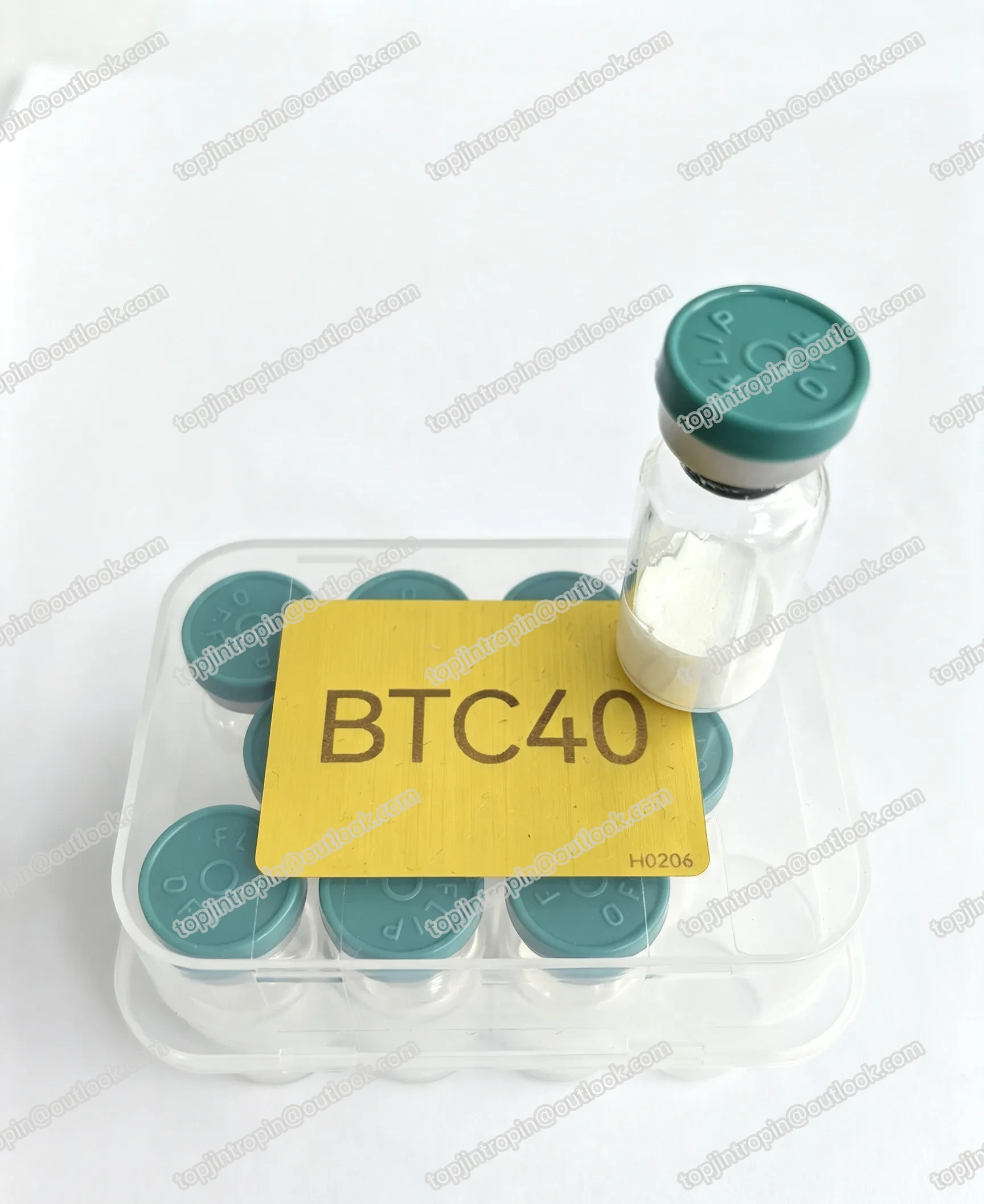
BTC
100% delivery
- Satisfaction Guaranteed
- No Hassle Refunds
- Secure Payments
Description
bpc157 10mg+TB500(Thymosin B4 AceTate) 10mg+ cartalax 20mg
BPC-157 10mg + TB500 (Thymosin B4 Acetate) 10mg + Cartalax 20mg
Contact us for current batch testing data on this specification.
BPC-157 + TB500 + Cartalax is a synthetic multi-peptide blend containing three individually characterized peptides with distinct molecular structures for peptide chemistry and molecular research.
Overview
BPC-157 + TB500 + Cartalax is a multi-peptide research blend containing three structurally distinct synthetic peptides with defined molecular characteristics.
The combination includes BPC-157 pentadecapeptide, TB500 (Thymosin B4 related peptide), and Cartalax tripeptide, each studied individually for peptide structure and molecular properties.
This peptide blend is designed for scientific research involving peptide chemistry, sequence characterization, and molecular analysis.
What’s is BPC-157 10mg + TB500 (Thymosin B4 Acetate) 10mg + Cartalax 20mg
BPC-157 + TB500 + Cartalax is a synthetic peptide blend containing three individually characterized research peptides.
What peptides are included in this blend?
The blend contains BPC-157, TB500 (Thymosin B4 related peptide), and Cartalax.
Key Highlights
- Three-peptide research blend: BPC-157, TB500, and Cartalax
- Contains individually characterized peptide components
- Defined amino acid sequences and molecular properties
- Lyophilized multi-peptide formulation for research use
- Suitable for peptide chemistry and molecular studies
Safety & Side Effects
BPC-157 + TB500 + Cartalax is a synthetic multi-peptide blend containing three individually characterized peptides with distinct molecular structures for peptide chemistry and molecular research. When used in research, BTC should be handled in a qualified laboratory setting, and its safety profile should be interpreted strictly within the experimental context in which it was studied.
Published btc side effects data are limited to experimental models and are specific to the dose, route, and study design employed. Investigators should account for metabolic regulation and energy expenditure readouts and any off-target effects relevant to the compound’s mechanism when designing a study.
For authoritative safety and toxicology references, consult peer-reviewed databases (PubMed, PubChem) and review the batch Certificate of Analysis before designing your protocol.
Dosage & Protocol
There is no standardized human dosage for BTC; it is supplied strictly for laboratory research. Reported btc dosage values in the literature are derived from preclinical studies and are specific to the study model, route, and experimental design.
Research protocols typically document btc dosage together with reconstitution method, storage conditions, and analytical confirmation of identity (the specifications listed on the product page). Because dose-response relationships may not scale across models, investigators should base their design on peer-reviewed methods rather than informal community reports.
Always confirm the exact strength, purity, and lot-specific data from the batch COA before weighing or reconstituting your sample.
Comparison
| Peptide | Receptors | Core Characteristic |
|---|---|---|
| BPC-157 | Peptide-related signaling pathways | Synthetic pentadecapeptide |
| TB500 | Actin-related molecular interactions | Thymosin B4 derived peptide |
| Cartalax | Peptide signaling pathways | Short tripeptide |
How to Order
Enquiry
Send strength and quantity for a quote
Quotation
Price, lead time and specification confirmed.
QC & COA
HPLC/ LC-MS tested; COA issued
Specifications
| Product name | bpc157 10mg+TB500(Thymosin B4 AceTate) 10mg+ cartalax 20mg |
|---|---|
| Product code | BTC40 |
| Specification | 40mg*10vials |
| Purity | ≥99% |
Applications
Packaging & Shipping
Available pack sizes
Shipping
Storage & Handling
Store lyophilized at −20 °C, protected from light and moisture. Warm to room temperature before opening; refrigerate after reconstitution and avoid repeated freeze–thaw cycles.